














Cash machines and barrier faults are not a parking strategy.
Payment friction affects how the property is perceived
A broken terminal or cash-only barrier creates an impression that attaches to the building, not the equipment. That impression is formed before a visitor has entered the property.
Cash handling generates overhead with no strategic value
Collecting, reconciling, and accounting for cash consumes staff time and introduces error in a process that exists only because it has not been replaced.
Barrier faults flood your team with calls
A single access failure generates a volume of escalations disproportionate to the underlying issue — for a failure that a digital-first infrastructure would resolve automatically.
Cash transactions produce no operational data
Every cash payment is a blind spot. No occupancy signal, no revenue record, no basis for performance analysis or capacity decisions.
Legacy infrastructure creates the perception that change is not possible
Many operators assume that going cashless requires replacing everything. The result is sustained inertia — and a parking experience that falls behind the standard the rest of the asset sets.
How your parking operates is part of how your asset is valued.
The operational standard of a parking facility signals the management quality of the asset it serves. A seamless, digital experience reflects well-run infrastructure. A cash terminal with an out-of-order sign does not — and that signal reaches every visitor, tenant, and prospective occupier who encounters it.
- First impressions formed at the barrier, not the reception desk
- Cash handling overhead compounds across locations and time
- Absence of transaction data limits operational and commercial decision-making
- Friction at entry and exit increases complaint volume and escalation rate
- Legacy infrastructure signals a management posture that has not kept pace
94% Occupancy synchronized across active parking zones.
+28%Improved utilization across locations and shared capacity
One platform connecting access, operations, and demand.
ParkBee brings the moving parts together. Instead of managing parking through disconnected tools, unclear rules, and manual workarounds, teams can use one operating layer to control access, activate capacity, and improve performance over time.
- Distribution
and demand access - Parking
management tools - Digital and ANPR camera based access
- Serve any user group - from commercial to tenant
The same solution can improve multiple parts of the parking journey.

Understand how parking is being used and where performance can improve.
Give drivers, visitors, tenants, or guests a better parking flow.
Unlock more value from existing parking capacity.
Give drivers, visitors, tenants, or guests a better parking flow.
Give drivers, visitors, tenants, or guests a better parking flow.
A stronger parking operation with less friction around it.
- Better use of available parking capacity
- Lower manual operational effort
- More control over access and user flows
- Better visibility into usage and performance
- Stronger commercial performance from the same asset
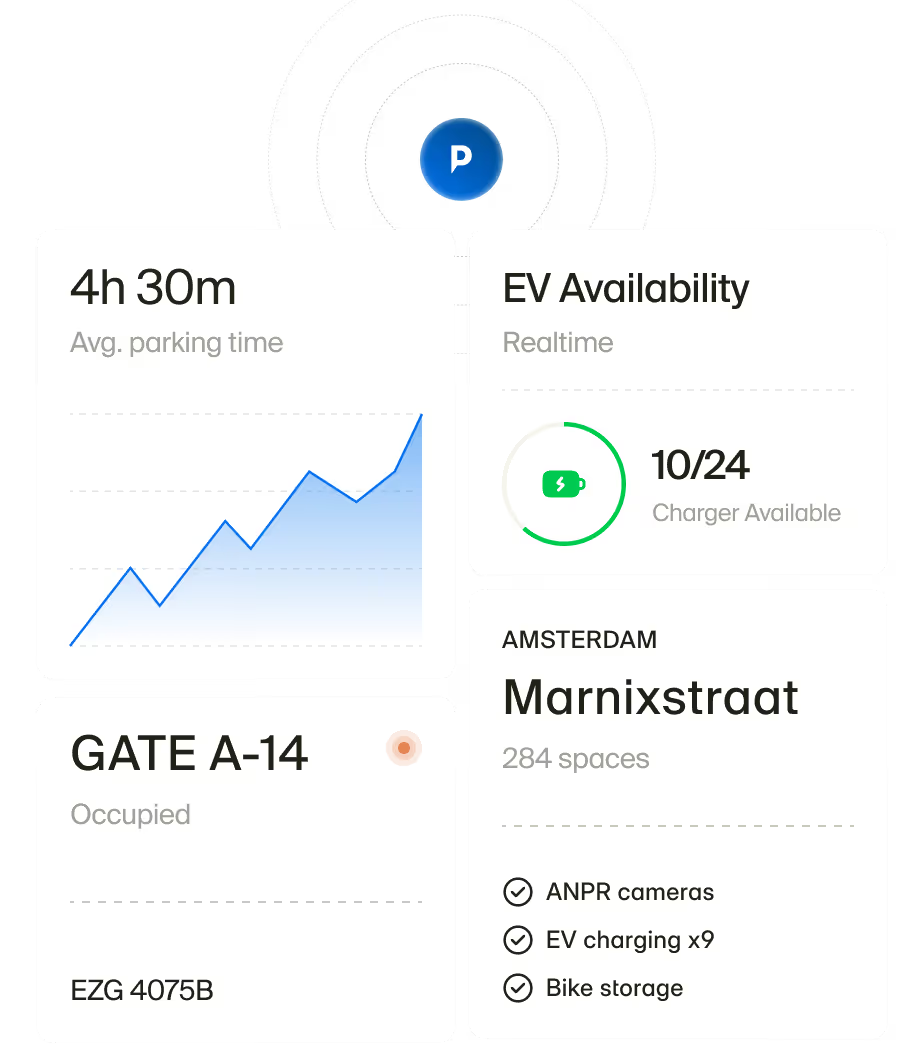
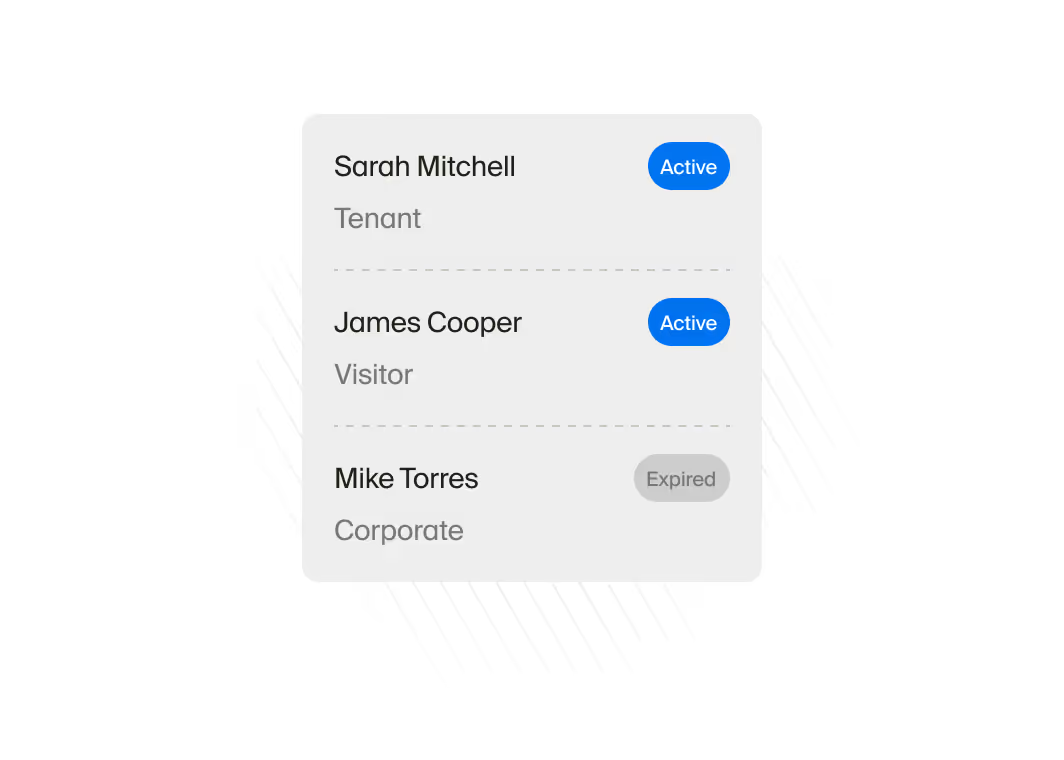
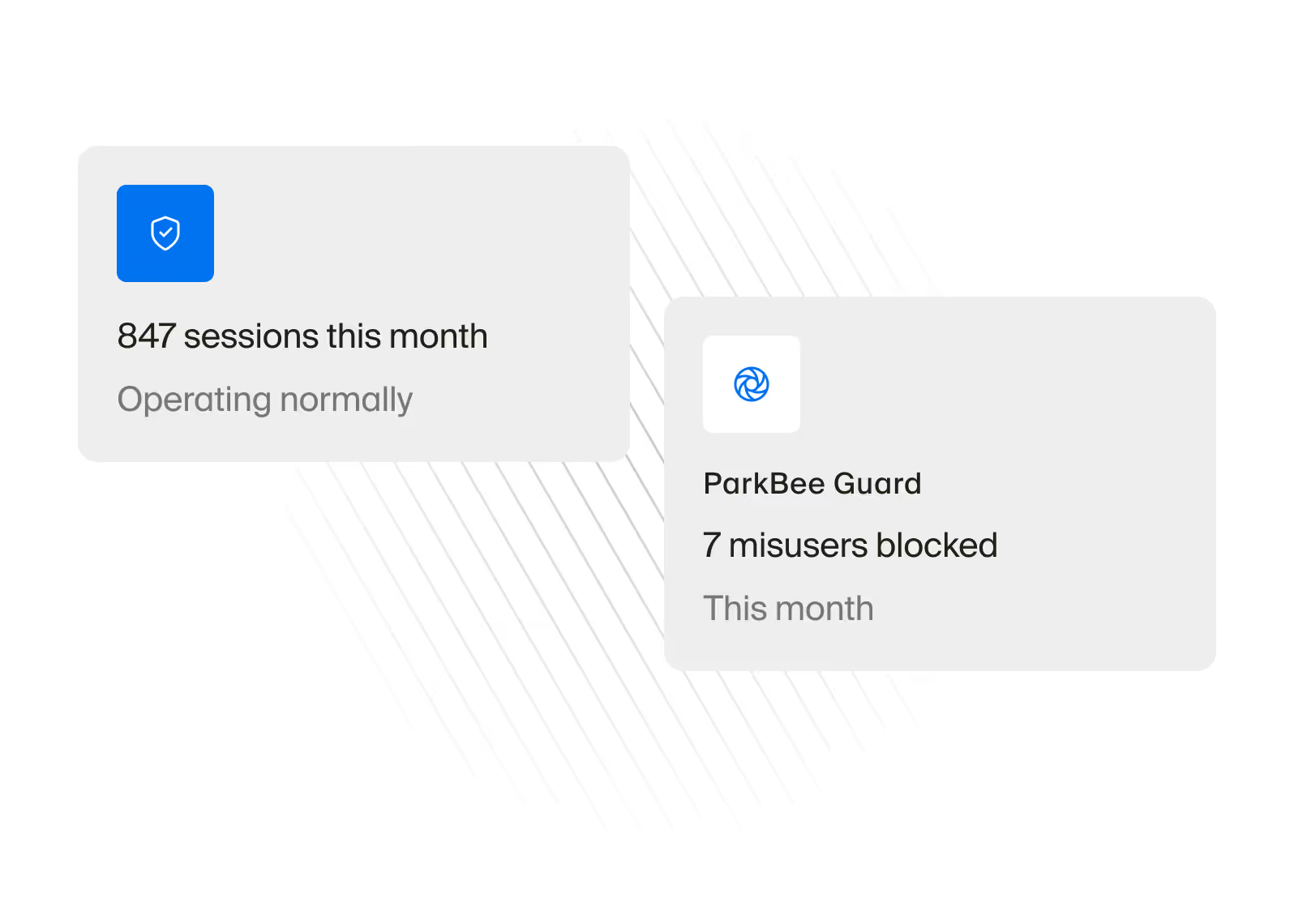
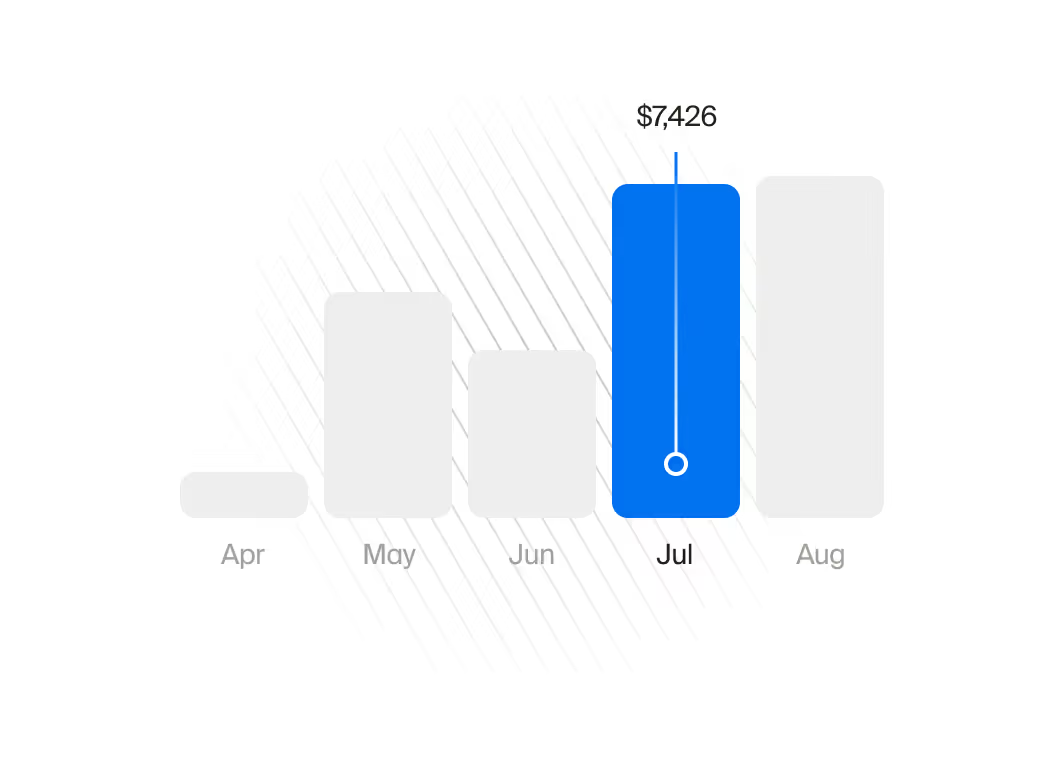
Relevant across multiple parking environments.

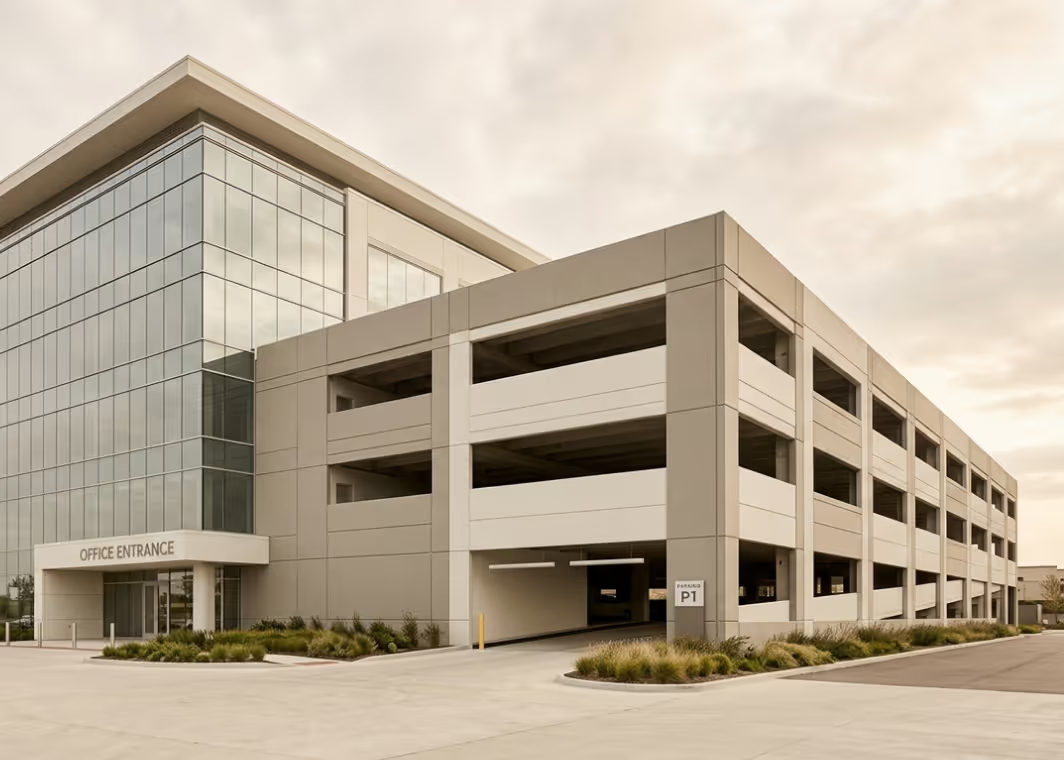
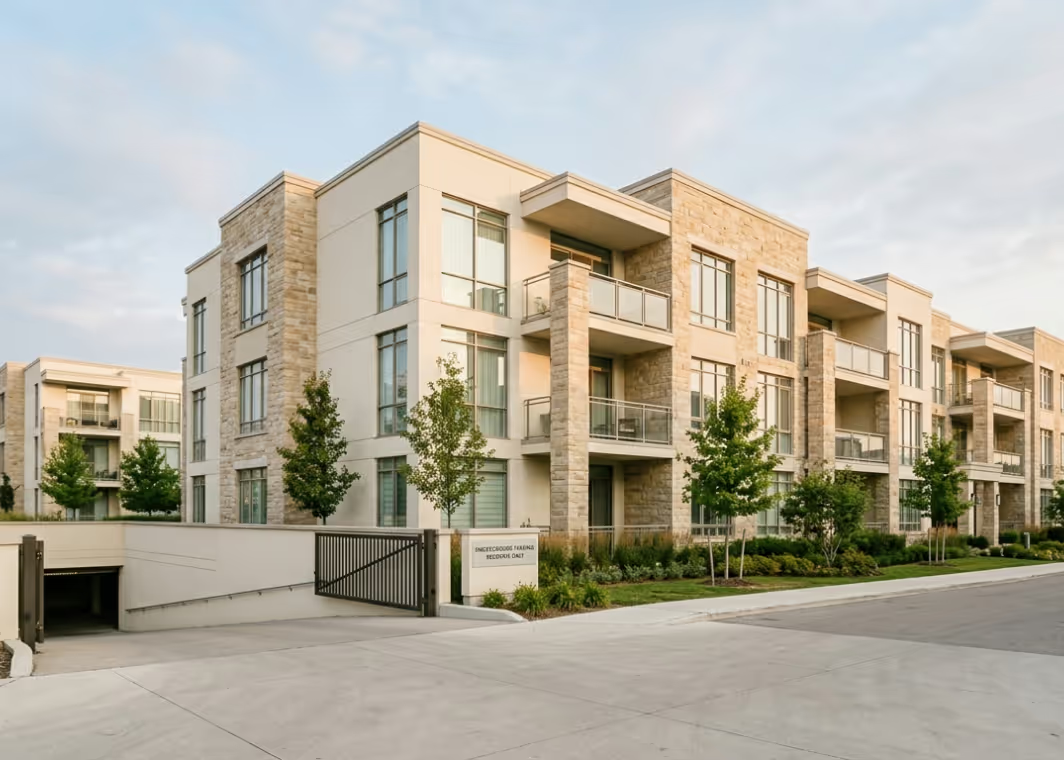
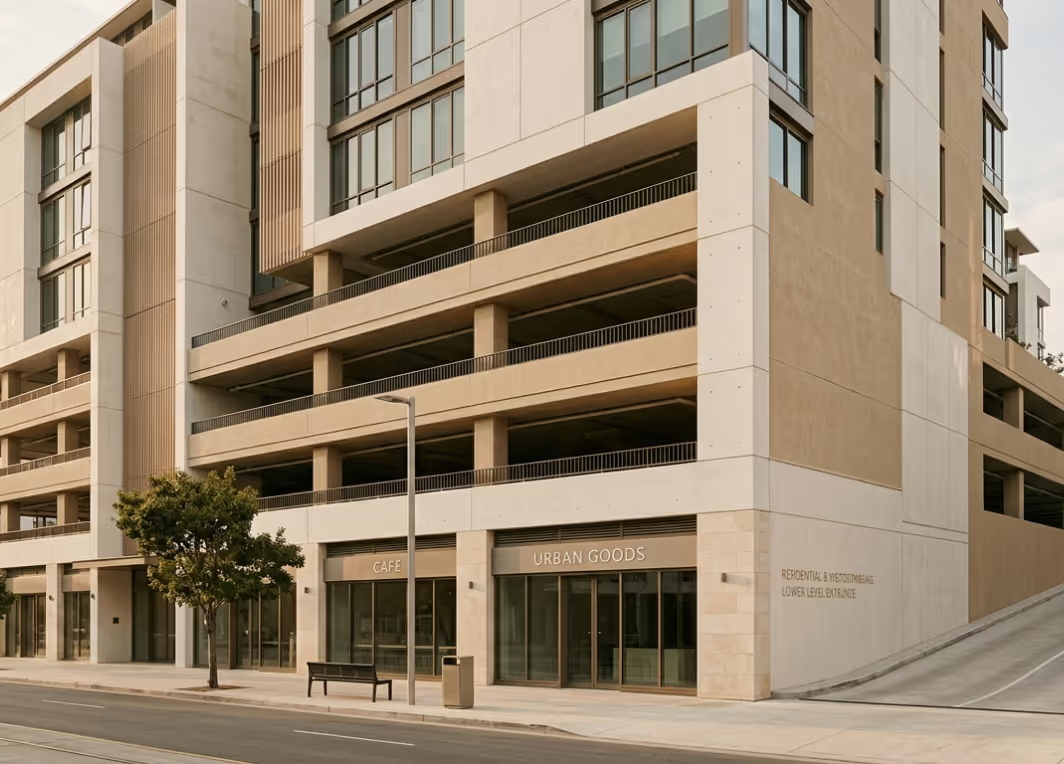
The parking network built for what’s next.
Across Europe, parking assets remain underutilised - where strong returns should exist, there’s friction, wasted space, and lost revenue. Meanwhile, congestion rises. Drivers circle. Owners see assets underperform. The issue isn’t infrastructure - it’s connection.