














Parking management consumes resource that should be directed elsewhere.
Barrier faults flood your team with calls
Every fault, override, or access failure lands with your team directly. Without a system absorbing operational exceptions, the volume is open-ended.
Access rules are impossible to maintain consistently
Residents, tenants, contractors, visitors — each governed by different rules, managed manually across locations with no single source of truth and no audit trail.
Teams spend hours on avoidable administration
Property teams consistently report 3–5 hours per week on parking-related coordination. That overhead scales with portfolio size and produces no measurable return.
Users experience friction before they arrive
Drivers who cannot access parking do not wait patiently. They contact reception, escalate the issue, or form a negative impression of the property before they have entered it.
Performance is invisible until something goes wrong
Without real-time visibility, operational failures surface through complaints rather than dashboards — by which point the impact has already occurred.
What feels like a parking problem is often an operations problem.
When parking runs on manual processes and disconnected tools, the cost is structural rather than incidental. Staff capacity is absorbed by administration that could be eliminated. Access exceptions multiply without resolution. Asset performance suffers in ways that are difficult to quantify until the cumulative effect becomes impossible to ignore.
- Staff hours lost to parking administration every week
- Access complaints that escalate beyond the parking environment
- No operational visibility until something fails
- Inconsistent experience across tenants, visitors, and guests
- Compounding loss of control as exceptions accumulate
94% Occupancy synchronized across active parking zones.
+28%Improved utilization across locations and shared capacity
One platform connecting access, operations, and demand.
ParkBee brings the moving parts together. Instead of managing parking through disconnected tools, unclear rules, and manual workarounds, teams can use one operating layer to control access, activate capacity, and improve performance over time.
- Distribution
and demand access - Parking
management tools - Digital and ANPR camera based access
- Serve any user group - from commercial to tenant
The same solution can improve multiple parts of the parking journey.

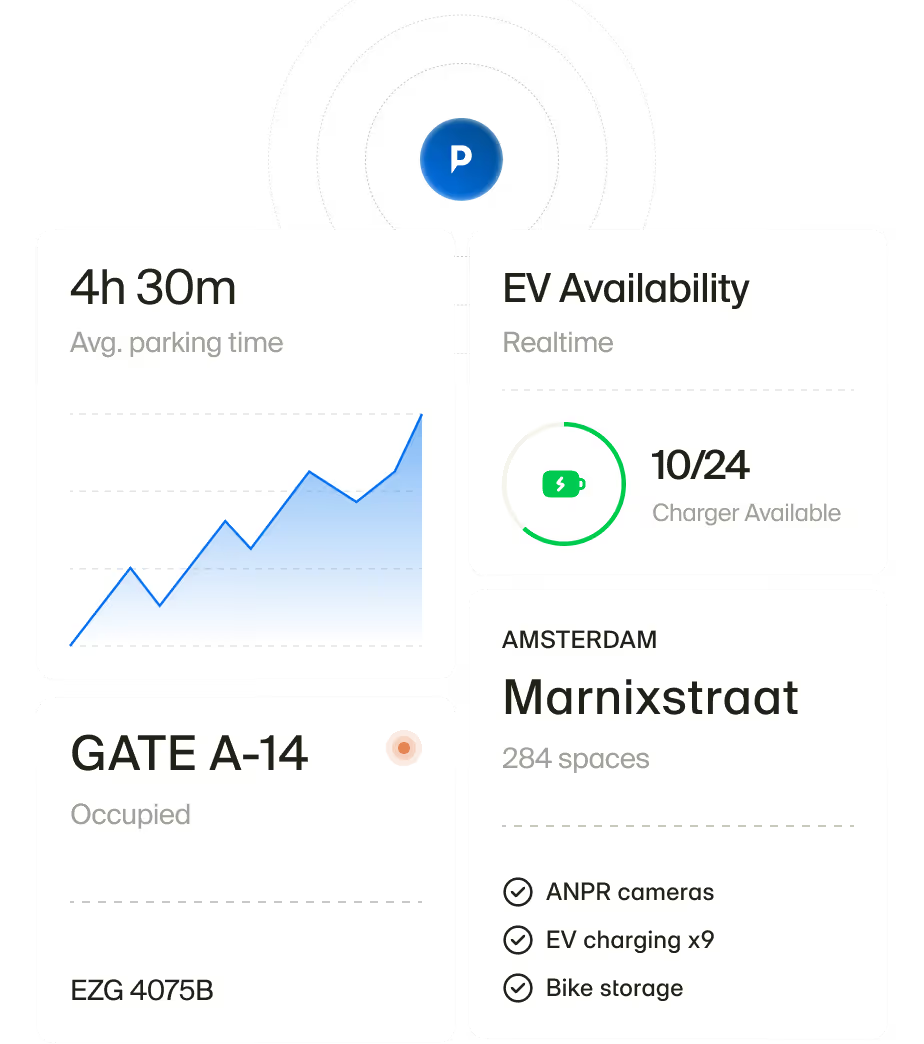
Understand how parking is being used and where performance can improve.
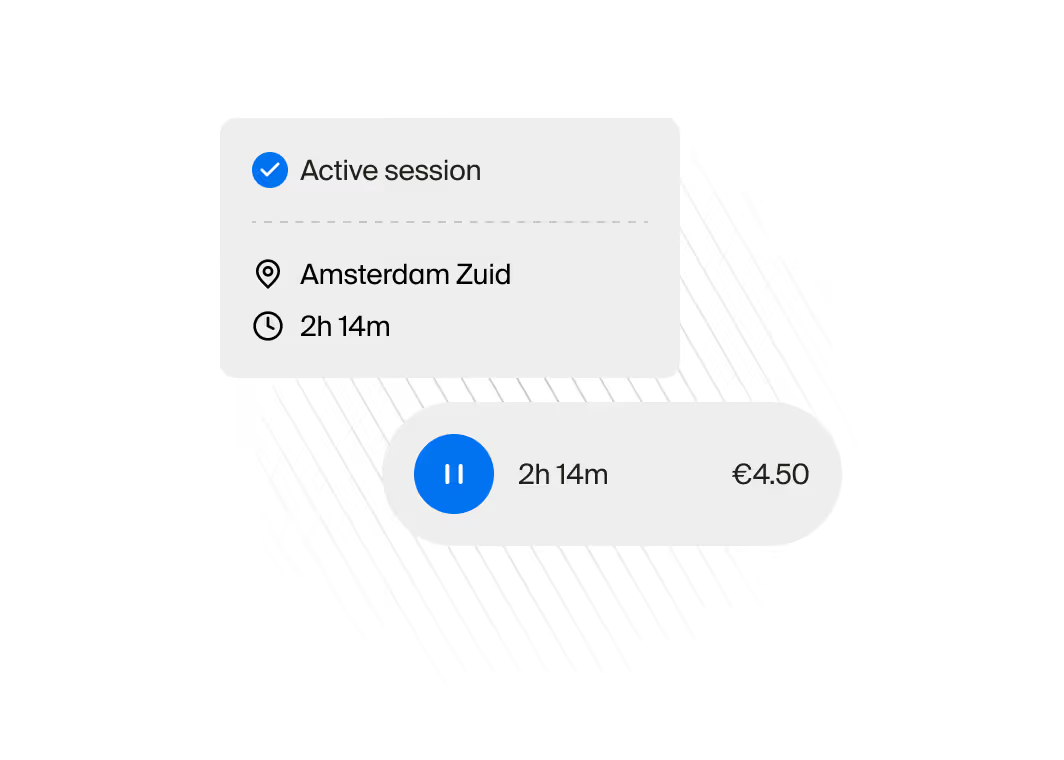
Give drivers, visitors, tenants, or guests a better parking flow.
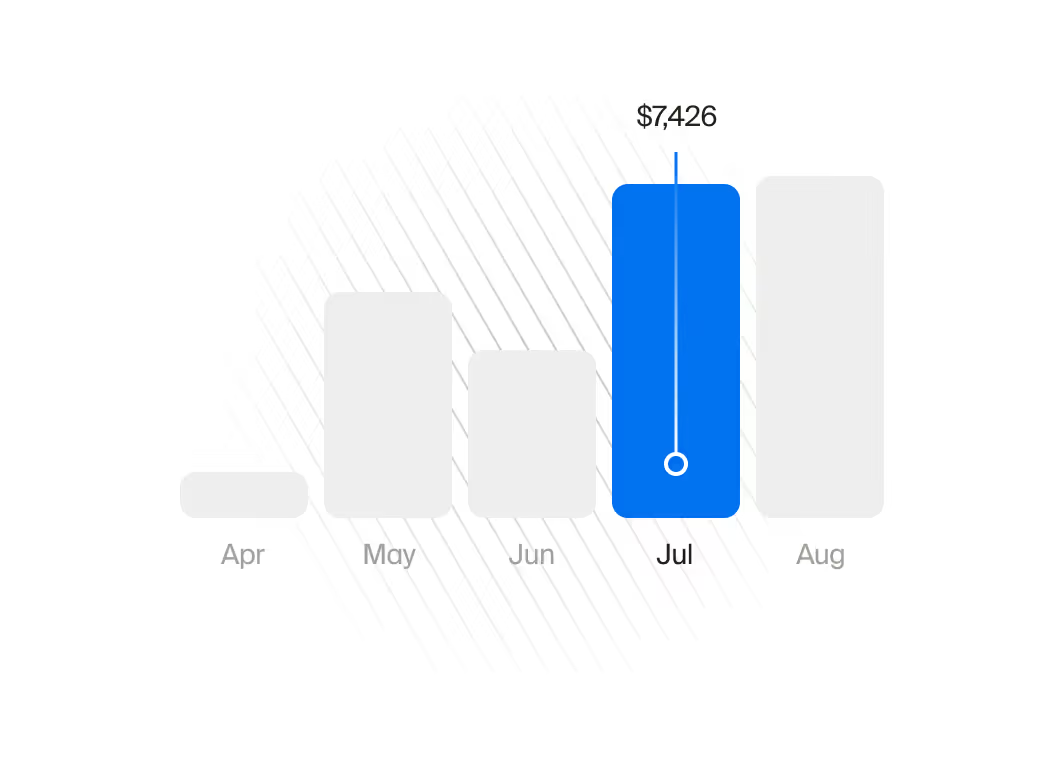
Unlock more value from existing parking capacity.
Give drivers, visitors, tenants, or guests a better parking flow.
Give drivers, visitors, tenants, or guests a better parking flow.
A stronger parking operation with less friction around it.
- Better use of available parking capacity
- Lower manual operational effort
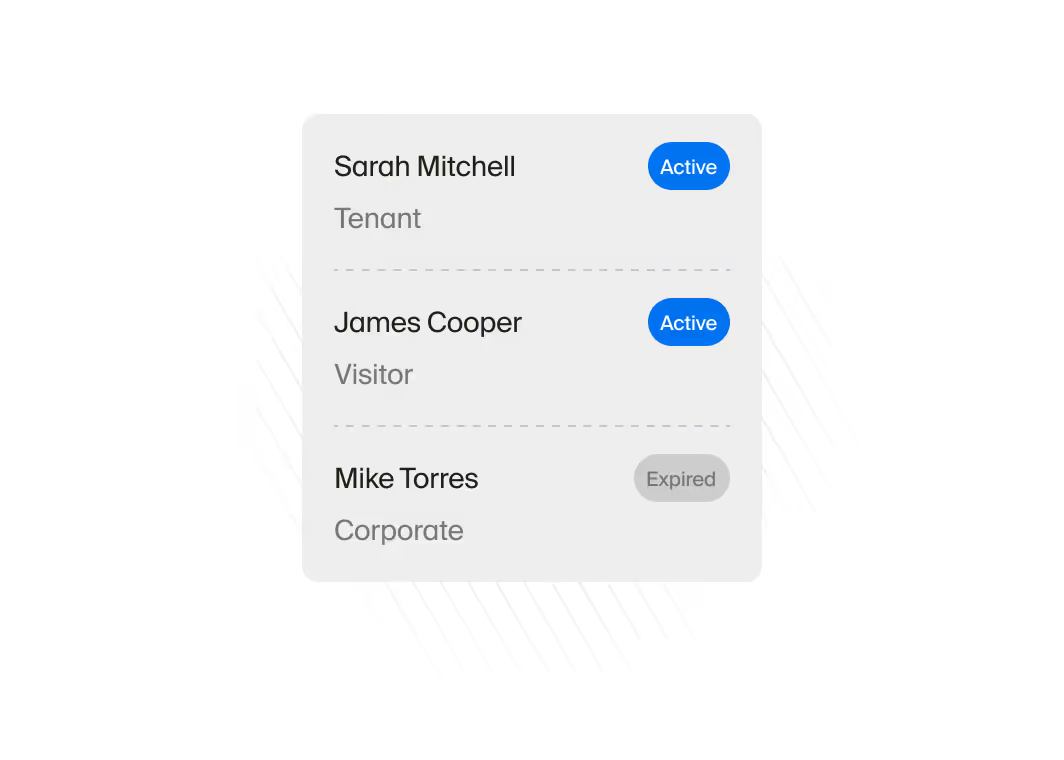
- More control over access and user flows
- Better visibility into usage and performance
- Stronger commercial performance from the same asset
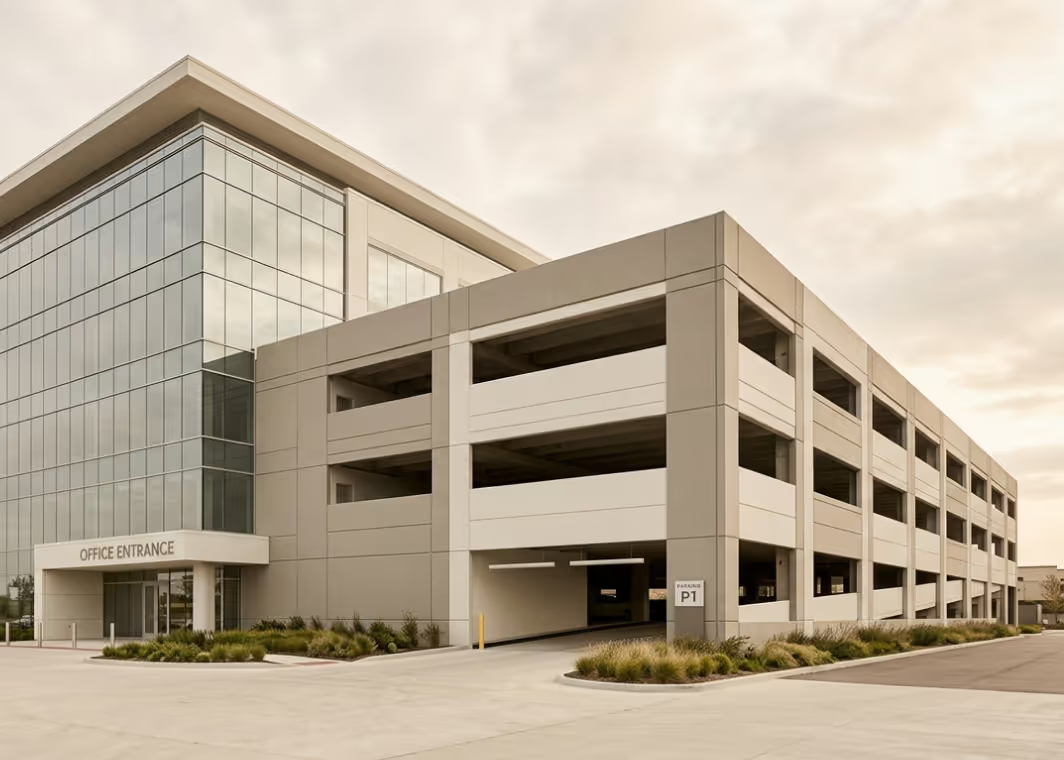
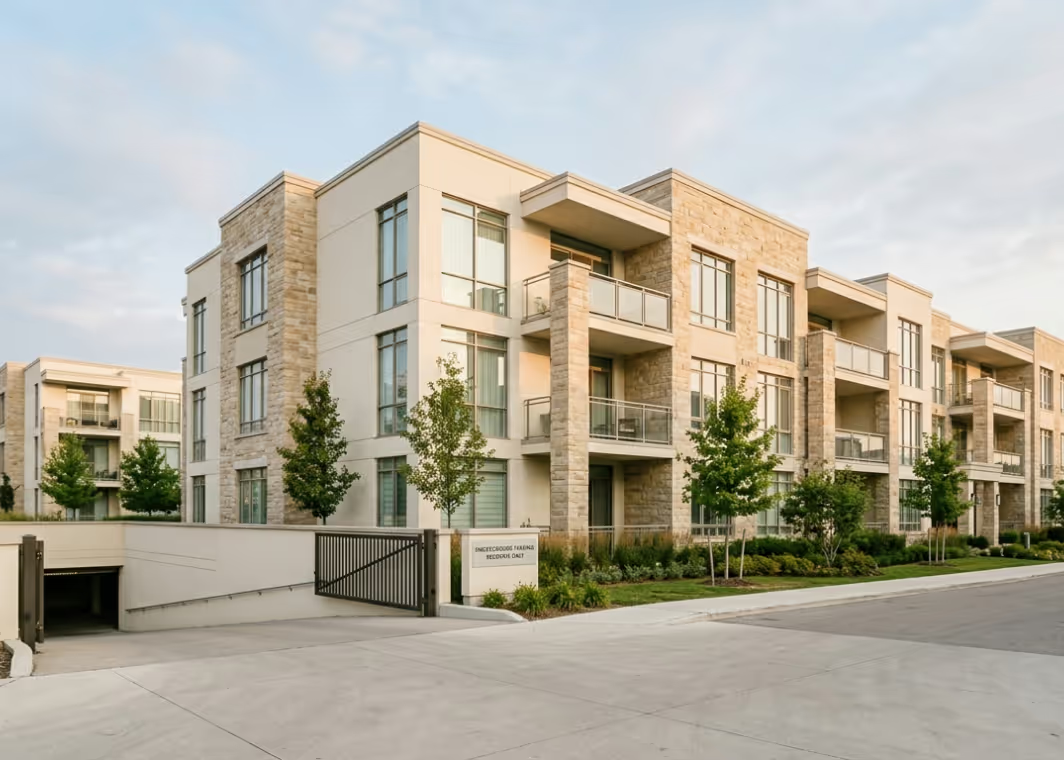
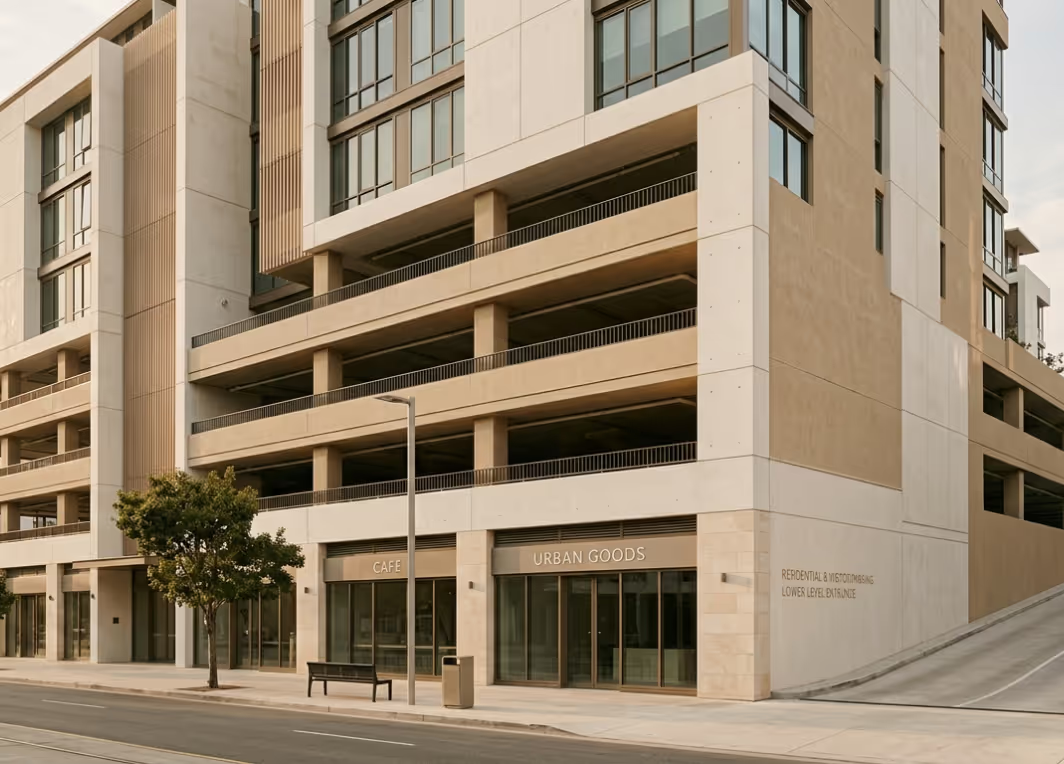
Relevant across multiple parking environments.

The parking network built for what’s next.
Across Europe, parking assets remain underutilised - where strong returns should exist, there’s friction, wasted space, and lost revenue. Meanwhile, congestion rises. Drivers circle. Owners see assets underperform. The issue isn’t infrastructure - it’s connection.