














Tenant access is governed by convention, not by system.
Onboarding new tenants takes too long
Every new arrival requires manual credential issuance, space allocation, and record updates. A process with no structural complexity takes days because no system accelerates it.
Access exceptions accumulate without resolution
Contractors, temporary staff, and occasional visitors each require a manual override. Those exceptions rarely get closed — and the list grows with every new request.
Physical credentials carry no audit trail
Tags and fobs get lost, transferred, or misused without any record. There is no reliable way to know who holds active credentials or whether they remain valid.
Offboarding is structurally incomplete
When tenants leave, credential revocation is rarely immediate or complete. Ghost access persists — creating both operational and security exposure long after the commercial relationship has ended.
No real-time view of who is on site
Property teams manage access without visibility into actual usage. Whether allocation reflects reality, or whether active credentials are being used as intended, remains unknown.
What feels like an access problem is often a liability problem.
Unstructured access control is not merely an operational inconvenience — it creates measurable exposure. Unauthorised use, unresolved disputes, and credentials that outlive their purpose all point to the same gap: no system with actual authority over who belongs in the asset.
- Unauthorised use of allocated spaces goes undetected
- Administration overhead scales with every new tenant or exception
- No audit trail when disputes, incidents, or complaints arise
- Tenant onboarding experience reflects poorly on property management
- Offboarding gaps leave active credentials beyond the point of validity
94% Occupancy synchronized across active parking zones.
+28%Improved utilization across locations and shared capacity
One platform connecting access, operations, and demand.
ParkBee brings the moving parts together. Instead of managing parking through disconnected tools, unclear rules, and manual workarounds, teams can use one operating layer to control access, activate capacity, and improve performance over time.
- Distribution
and demand access - Parking
management tools - Digital and ANPR camera based access
- Serve any user group - from commercial to tenant
The same solution can improve multiple parts of the parking journey.

Understand how parking is being used and where performance can improve.
Give drivers, visitors, tenants, or guests a better parking flow.
Unlock more value from existing parking capacity.
Give drivers, visitors, tenants, or guests a better parking flow.
Give drivers, visitors, tenants, or guests a better parking flow.
A stronger parking operation with less friction around it.
- Better use of available parking capacity
- Lower manual operational effort
- More control over access and user flows
- Better visibility into usage and performance
- Stronger commercial performance from the same asset
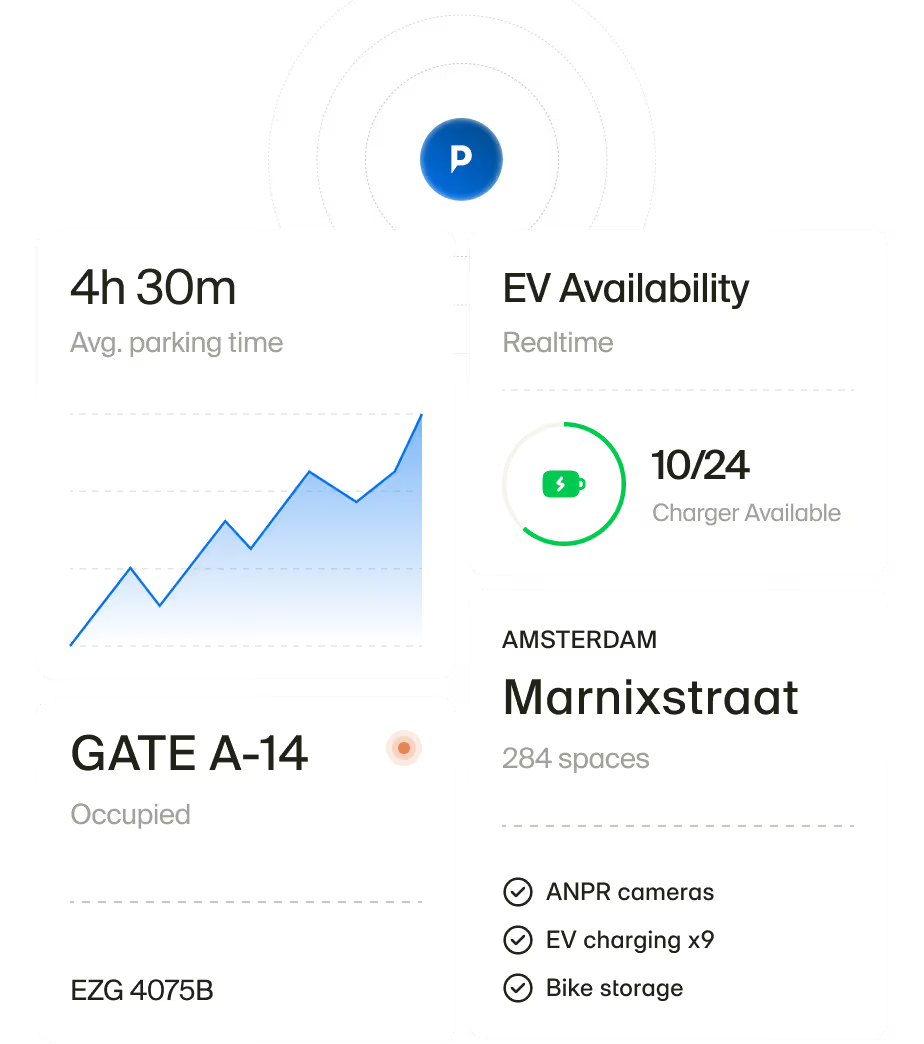
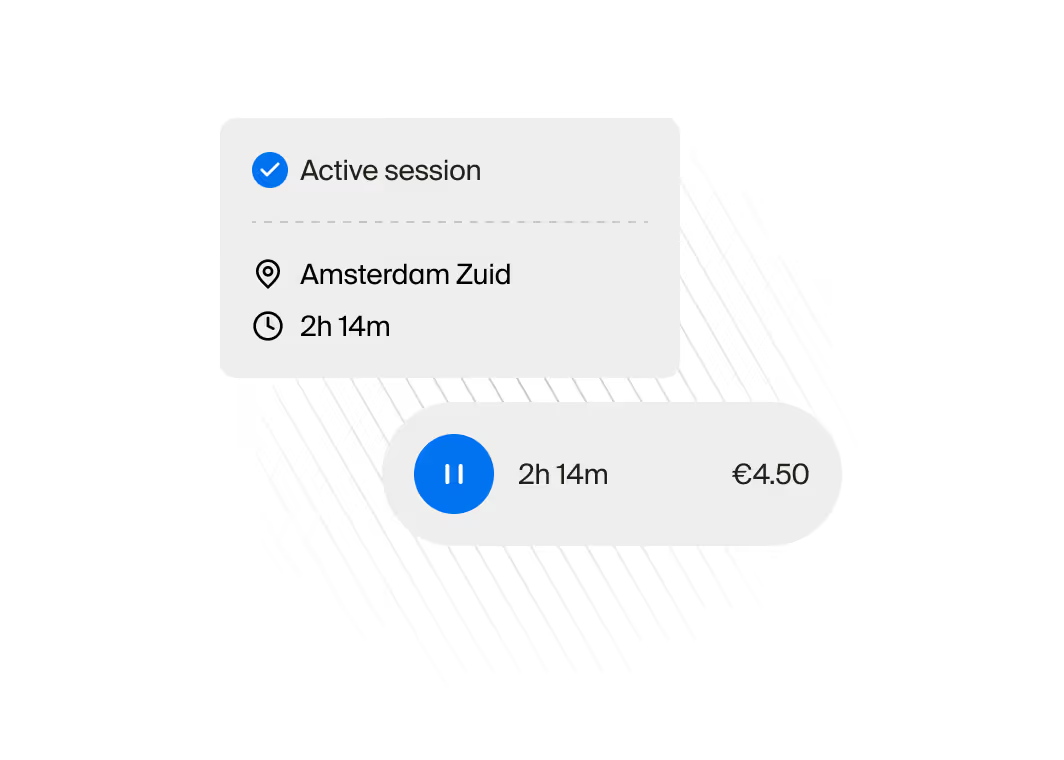
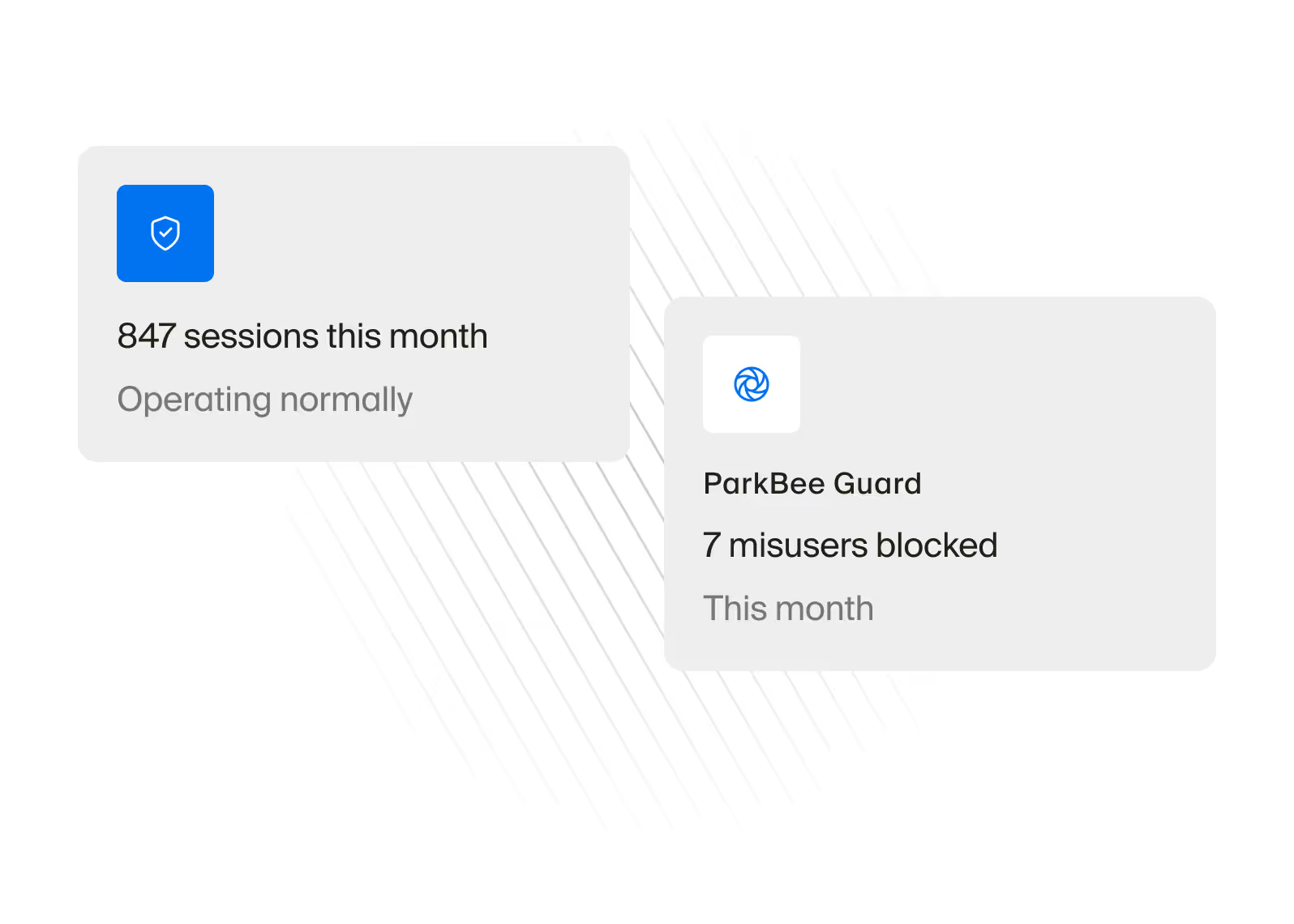
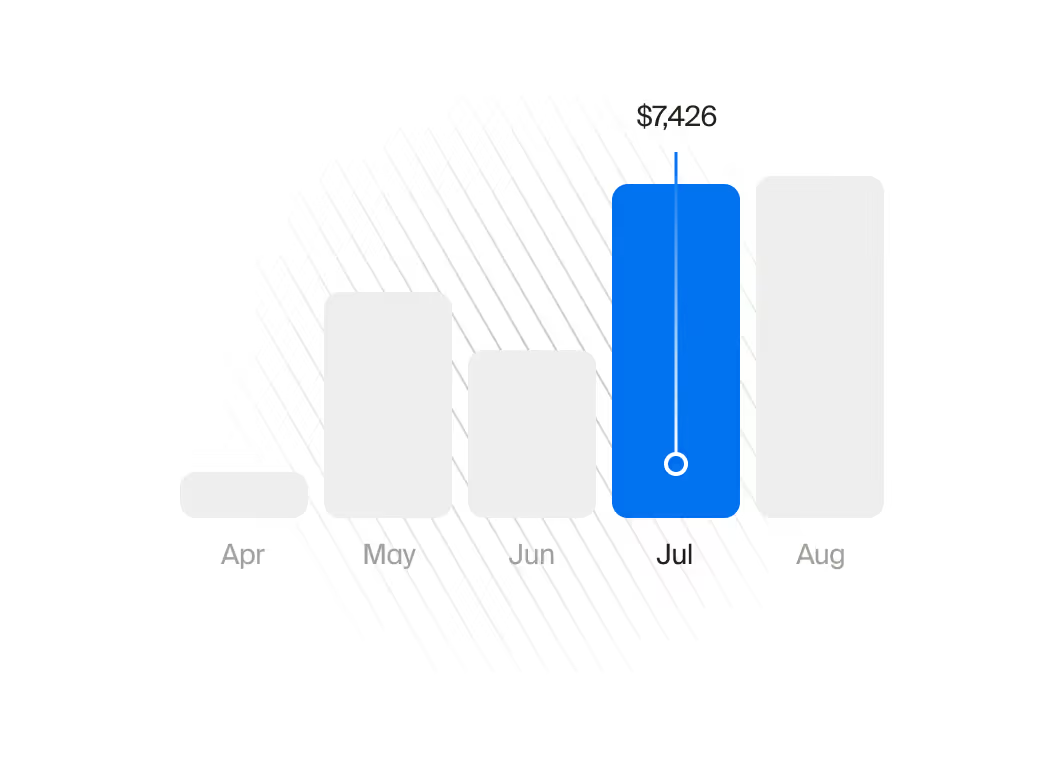
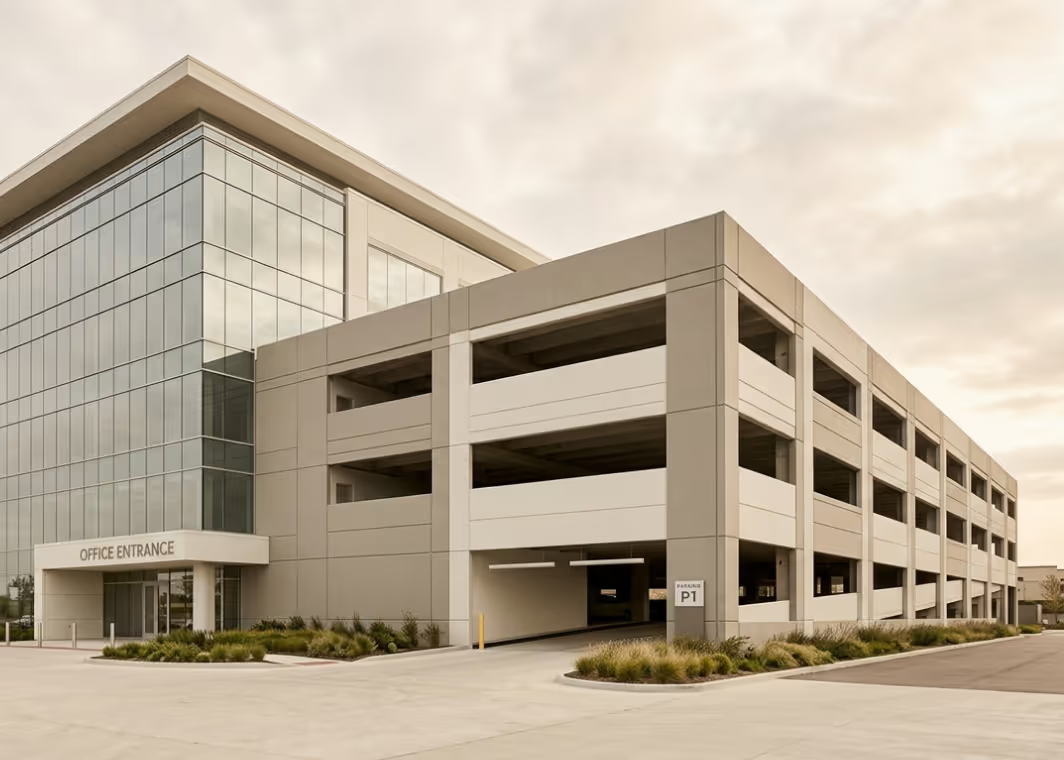
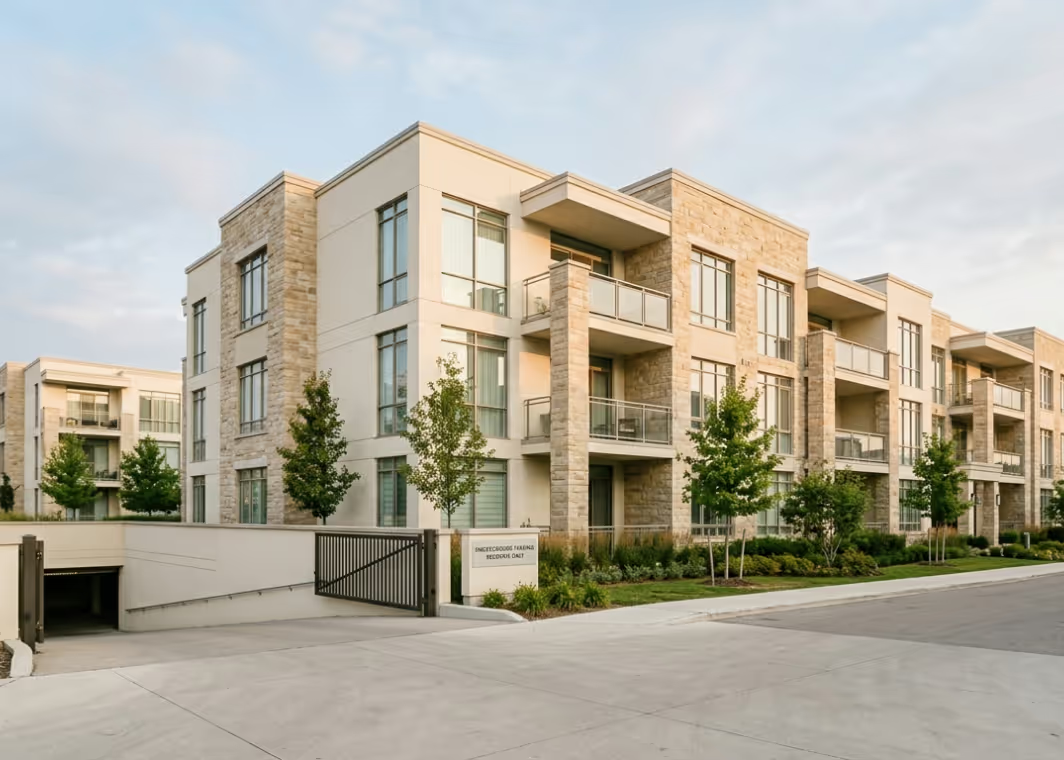
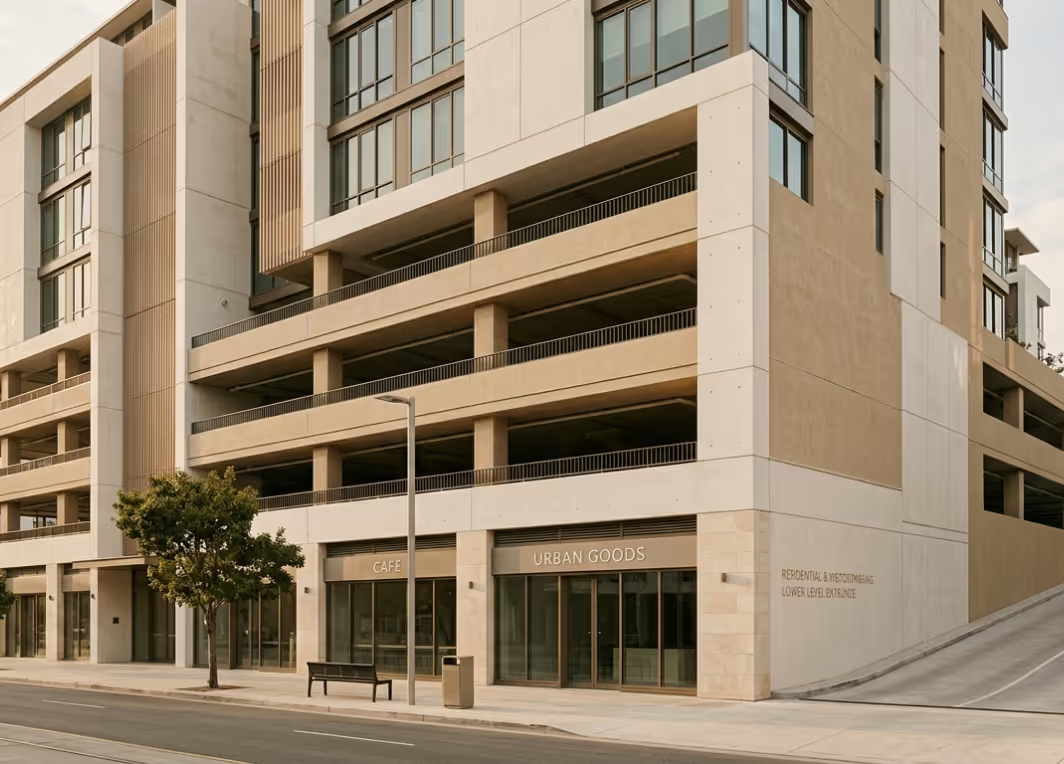
Relevant across multiple parking environments.

The parking network built for what’s next.
Across Europe, parking assets remain underutilised - where strong returns should exist, there’s friction, wasted space, and lost revenue. Meanwhile, congestion rises. Drivers circle. Owners see assets underperform. The issue isn’t infrastructure - it’s connection.